

 Image 1 of 1
DESCRIPTION
This hands-on field workshop is designed to help early-bird photographers improve their camera skills while exploring one of Southern California’s premier locations for wildlife and nature photography.
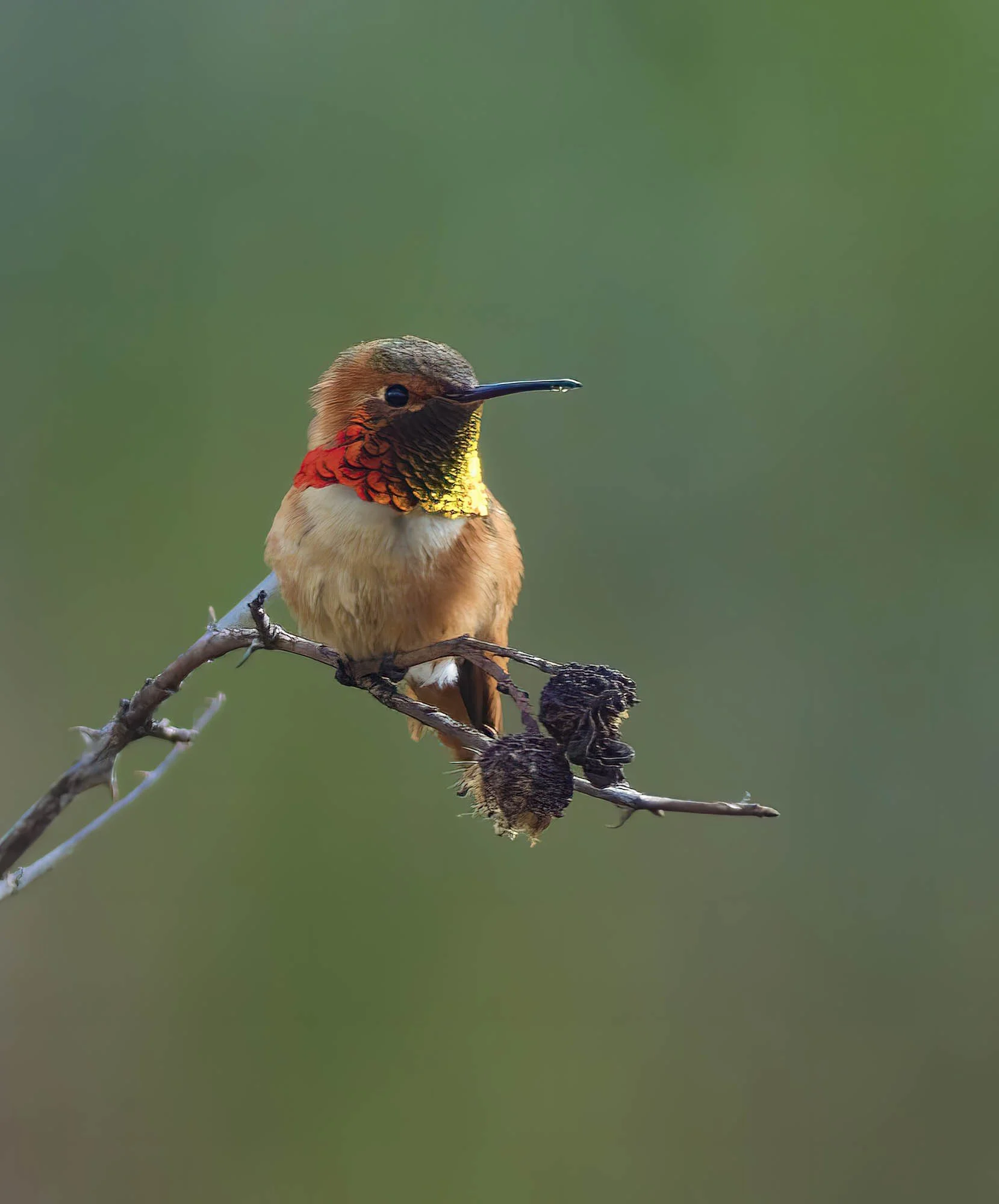
The sanctuary's network of wetlands, ponds, and walking trails provides excellent opportunities to photograph a variety of bird species, natural landscapes, reflections, and environmental details. Throughout the morning, participants will learn how to observe, anticipate, and photograph wildlife while developing a stronger understanding of composition, exposure, and natural light.
TOPICS
Camera settings for wildlife and nature photography
Techniques for photographing birds and moving subjects
Understanding shutter speed, aperture, and ISO in outdoor environments
How to use natural light to create more compelling images
Composition techniques for landscapes and wildlife subjects
Creating stronger images through framing, perspective, and storytelling
Focusing techniques for sharp wildlife photographs
MATERIALS
DSLR or Mirrorless Camera
Telephoto lens (recommended for wildlife)
Wide-angle lens (optional for landscapes)
Extra batteries and memory cards
Comfortable walking shoes
Sun protection and water
LOCATION - IRWD San Joaquin Marsh & Wildlife Sanctuary
LEVEL - Beginner to Intermediate
INSTRUCTOR - Scott Crawford
DESCRIPTION
This hands-on field workshop is designed to help early-bird photographers improve their camera skills while exploring one of Southern California’s premier locations for wildlife and nature photography.
The sanctuary's network of wetlands, ponds, and walking trails provides excellent opportunities to photograph a variety of bird species, natural landscapes, reflections, and environmental details. Throughout the morning, participants will learn how to observe, anticipate, and photograph wildlife while developing a stronger understanding of composition, exposure, and natural light.
TOPICS
Camera settings for wildlife and nature photography
Techniques for photographing birds and moving subjects
Understanding shutter speed, aperture, and ISO in outdoor environments
How to use natural light to create more compelling images
Composition techniques for landscapes and wildlife subjects
Creating stronger images through framing, perspective, and storytelling
Focusing techniques for sharp wildlife photographs
MATERIALS
DSLR or Mirrorless Camera
Telephoto lens (recommended for wildlife)
Wide-angle lens (optional for landscapes)
Extra batteries and memory cards
Comfortable walking shoes
Sun protection and water
LOCATION - IRWD San Joaquin Marsh & Wildlife Sanctuary
LEVEL - Beginner to Intermediate
INSTRUCTOR - Scott Crawford